Only 3% of cases led to administrative penalties, most of them warnings
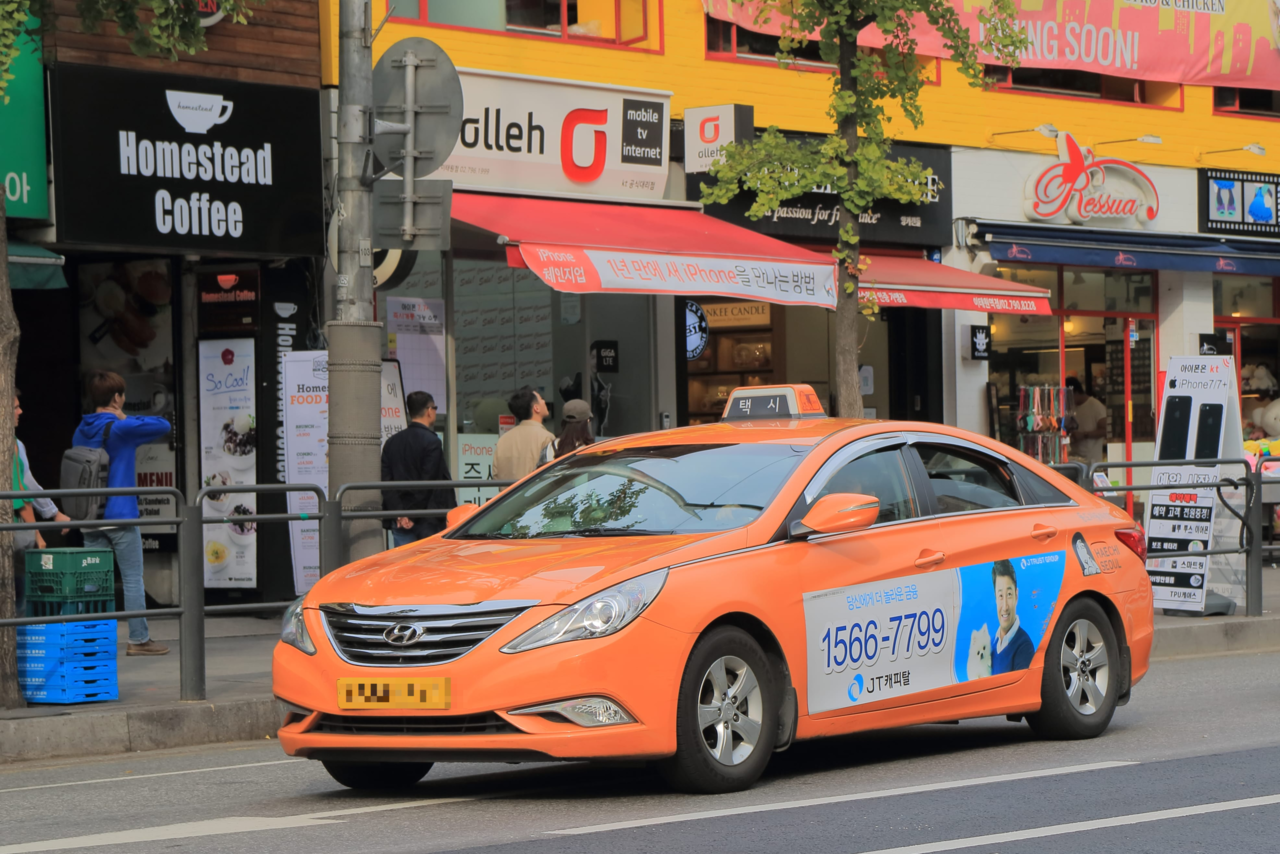
Only 3.1 percent of foreign visitors' reports alleging taxi fare overcharging in Seoul resulted in administrative penalties between 2021 and August this year, a lawmaker revealed Sunday.
Of the 6,481 complaints filed during the period, only 204 led to administrative measures, according to the Seoul Metropolitan Government data obtained by Democratic Party of Korea Rep. Mo Gyeong-jong.
Of those, 176 resulted in warnings, 26 in driver license suspensions, and two in license revocations. Another 1,865 cases ended with cautions or guidance, which carry no legal consequences.
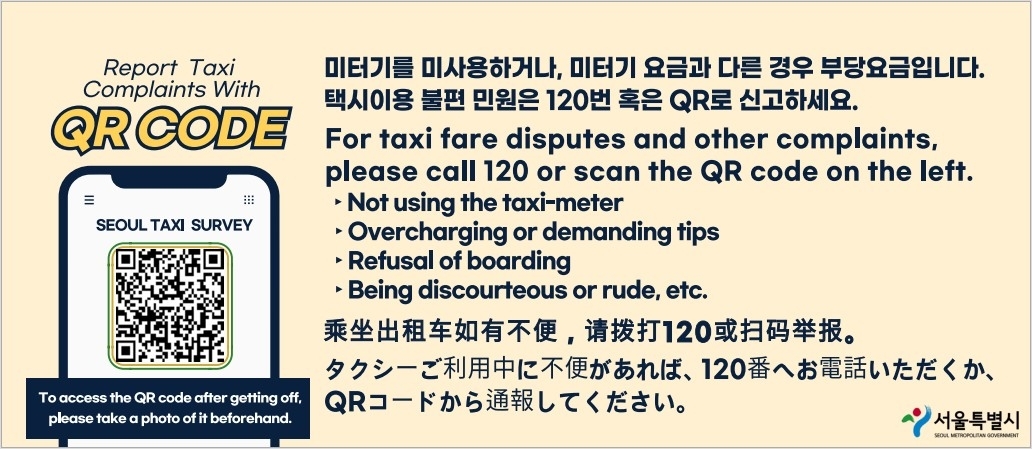
Seoul has accepted complaints through its 120 Dasan Call Center and QR codes available in taxis and at Gimpo and Incheon airports to address recurring cases of alleged overcharging.
Under the revised Enforcement Rule of the Act on the Development of Taxi Transportation Business, which took effect on Sept. 4, drivers now face a 30-day suspension for a first offense, a 60-day suspension for a second offense, and license revocation for a third offense.
Until the recent revision of the enforcement rules, drivers caught overcharging foreign passengers for the first time received a warning. A second offense resulted in a 30-day suspension, and a third led to license revocation.
Is three-strikes enough?
But 4,368 complaints, about two-thirds of the total, were closed without administrative penalties. Forty-four cases remain under investigation.
The most common reason was classified as “other,” accounting for 3,253 cases. The city said the category covers cases where it is difficult to determine whether a driver violated the rules or an investigation cannot proceed.
The proportion of complaints closed under this category has grown in recent years, reaching 60.7 percent of total reports by foreign passengers from January to August this year, up from 38.8 percent in 2023.
By comparison, 762 cases were withdrawn by complainants, and 271 were classified as mistaken reports.
Seoul has cited difficulties in conducting follow-up investigations, including cases in which foreign complainants leave Korea and cannot be contacted. The city has also explained that it has sometimes opted for cautions or guidance and training for drivers with no previous violations, given the potential impact of administrative penalties on their livelihoods.
Mo called for more effective enforcement, saying that the small number of cases resulting in formal measures risks damaging the reputation of taxi drivers who provide an honest service.
Seoul’s 500,000 won ($374) reward for reporting taxi overcharging by foreign visitors has also gone unused since 2021, with no applications or payments recorded. Mo attributed this to insufficient publicity and the lack of clear procedures for tourists seeking rewards after leaving Korea.
“Now that the government has raised the penalty standards, the remaining task is to ensure that complaints backed by clear evidence lead to actual penalties,” Mo said. “Procedures must protect both complainants and drivers so that the majority of taxi drivers who work honestly are not unfairly viewed with suspicion.”
forestjs@heraldcorp.com